Protecting construction draws with photo verification
Construction draw fraud occurs when borrowers submit misleading progress photos. Photo verification adds a critical control to the draw process.
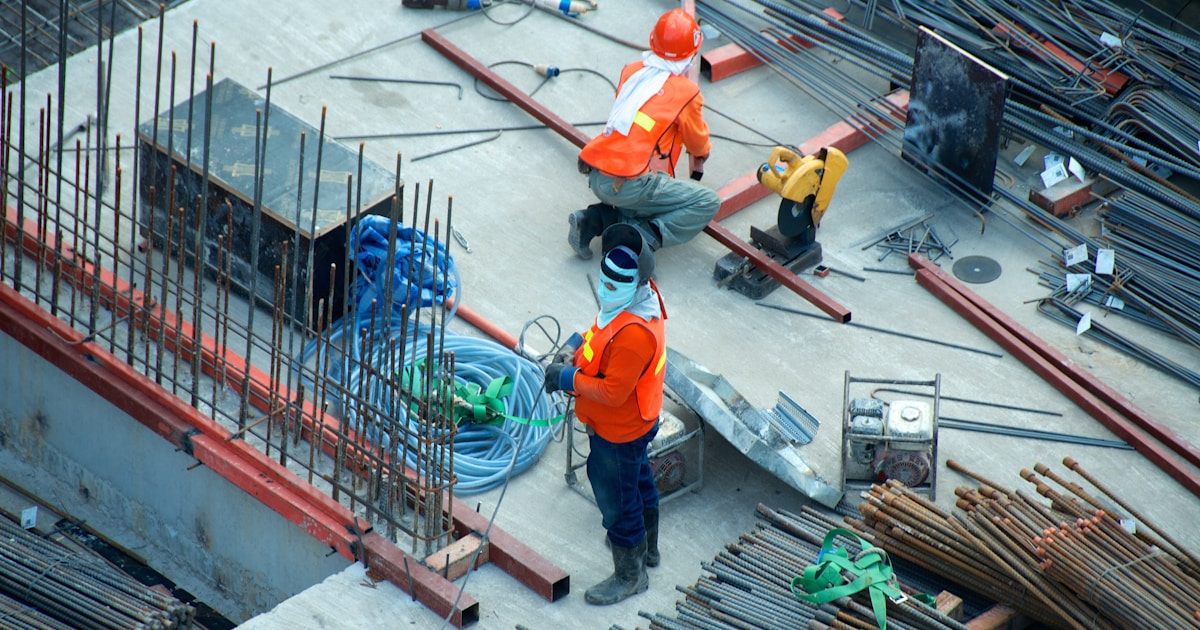
Construction draw fraud occurs when borrowers submit misleading progress photos to release funds for work that hasn't been completed. As construction lenders increasingly accept photo-based progress verification, the integrity of those photos becomes a critical control.
How draw fraud works
In construction lending, funds are released in stages (draws) based on verified progress. With remote verification becoming more common, borrowers submit photos as evidence. AI manipulation enables:
- Fabricated completion: Adding finished elements to photos of incomplete structures.
- Staged progress: Manipulating photos to show work ahead of actual completion.
- Recycled documentation: Submitting photos from previous projects with altered metadata.
The National Association of Home Builders (NAHB) and the Construction Financial Management Association (CFMA) have both addressed the importance of robust documentation practices in construction lending.
The verification approach
Effective draw fraud prevention requires verifying that progress photos are:
- Original captures: Not AI-generated or sourced from other projects.
- Temporally accurate: Captured on the claimed date, with consistent metadata.
- Geographically verified: GPS data confirming the photo was taken at the construction site.
- Unmanipulated: No AI enhancement or editing to misrepresent progress.
CheckReality provides all four verification layers. Photos submitted for draw requests are automatically analyzed, with detection results flagging concerns before funds are released.
The Risk Management Association (RMA) provides resources and guidance for lending professionals on managing credit risk, including documentation and verification standards.
Ready to verify what's real?
See how CheckReality authenticates images and documents for enterprise teams.
Book a demo