Why lenders are adding photo verification to their due diligence process
As remote origination grows, lenders are recognizing the need to verify that property photos are authentic. Here's how photo verification fits into the lending workflow.
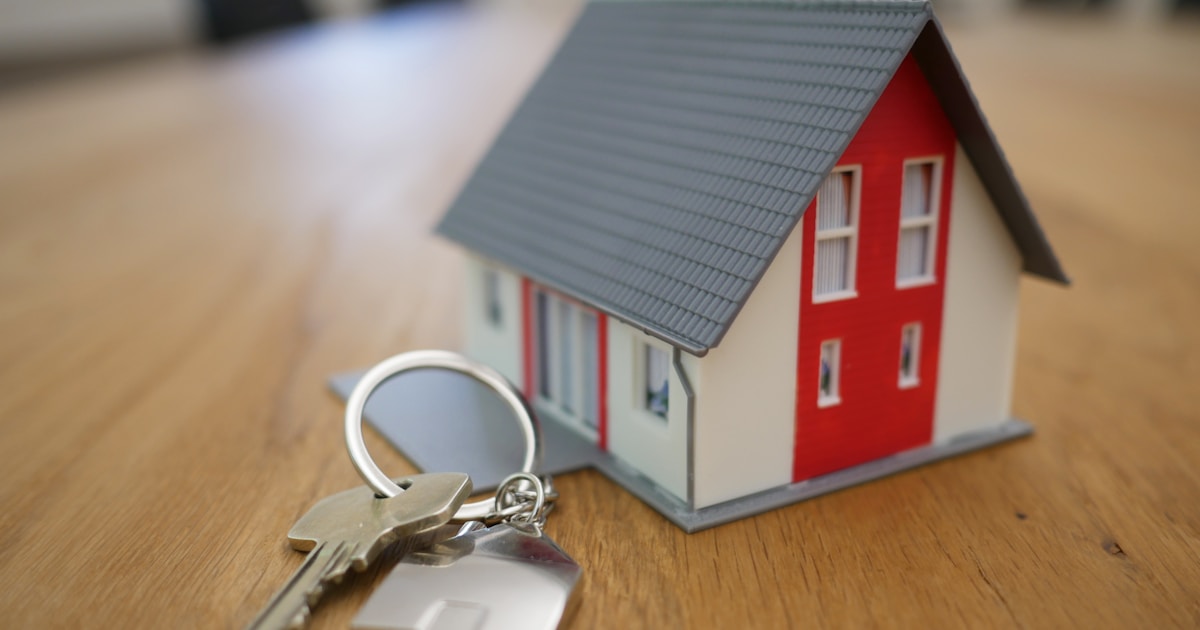
Remote origination has transformed how lenders verify collateral. Property photos now play a central role in underwriting decisions, but the rise of AI image generation means those photos can no longer be taken at face value.
The shift to remote verification
The [Mortgage Bankers Association (MBA)](https://www.mba.org/) has documented the industry's ongoing shift toward remote and hybrid origination processes. Borrowers increasingly submit photos of properties as part of their loan applications, and lenders use these images to assess collateral condition without sending an inspector to every property.
This creates an efficiency gain, but also a vulnerability: generative AI tools can enhance, alter, or entirely fabricate property photos.
What manipulation looks like
Common concerns include:
- Enhanced property conditions: AI tools can remove visible damage, add renovations that don't exist, or improve curb appeal.
- Fabricated interior shots: AI-generated room photos showing renovated spaces that don't match reality.
- Altered appraisal photos: Photos modified to support inflated property valuations.
The Financial Crimes Enforcement Network (FinCEN) tracks mortgage fraud through Suspicious Activity Reports (SARs) and has noted the broader trend of technology being used to facilitate financial crimes.
Adding verification to the workflow
Lenders can integrate photo verification without significantly changing their existing processes:
- Borrower submits photos: Standard property photos are submitted as part of the loan application.
- Automatic authentication: Each photo is analyzed for AI generation, manipulation, and metadata consistency in under one second.
- Verification report: The lender receives results confirming photo authenticity, or flagging specific concerns.
CheckReality enables this workflow. Borrowers capture photos on their schedule, our detection pipeline authenticates every image, and lenders receive verified visual documentation with full audit trails. The total processing time for a typical loan application (15-20 photos) is under 20 seconds.
The Appraisal Foundation maintains the Uniform Standards of Professional Appraisal Practice (USPAP), which sets the standard for appraisal quality and integrity that lenders can reference when establishing their own photo verification policies.
Ready to verify what's real?
See how CheckReality authenticates images and documents for enterprise teams.
Book a demo